Reed Music Publishing
Exploring Options Related to Music Education

Music Publication When I began taking courses at BCIT, I created a website devoted to
Music Education
in MDIA 1205. This was followed by
a 2nd website in November 2011.

Band Compositions This goal is partly associated with selling written compositions, one of which is now over 8 years old. It has no title other than "Composition in C".
Both of my uncles played professionally in B.C. and Japan -- and one of my uncles even knelt before the Queen, as he was band leader of his high school's concert band during the Queen's Jubilee in New Westminster (1971). I followed in their footsteps and played alto saxophone in my schools' jazz ensembles and concert bands. This spawned an interest in music composition, including jazz. I also play guitar and piano.

SoundFonts
I use SoundFonts (or collections of sampled audio) that can be used as instruments. The samples are organized sequentially according to pitch. The SoundFonts that I use extend upon the General MIDI sounds
used in the three main sequencers that I own (Finale, Cakewalk and Yamaha's
QY100).
Reed Music Publications
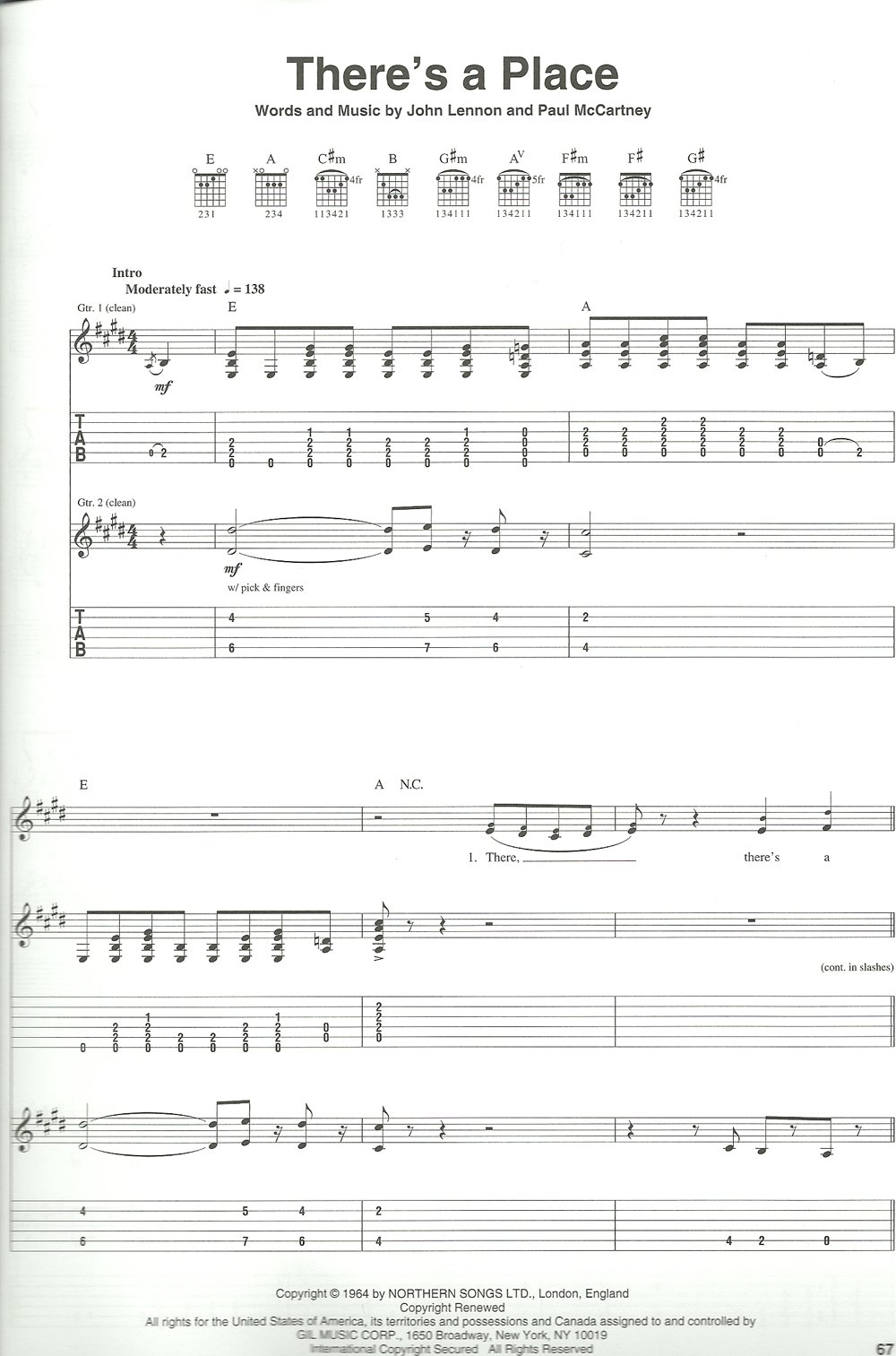
Undated, I created a document regarding the formation of a website (and publication business), but this is too large in scope. I also know that it is important to consider copyright in any music website or publication. Irregardless of the format used (MIDI, WAV, Flash or Video), the content is owned by a specific person or organization -- and there are many examples of violations on the Internet itself including tablatures, lesson videos and recordings. The copyright owners are the ones who SHOULD have control of usage, but this is not always the case. If I wanted to publish a Beatles song legally, I'd have to pay a fee. And in music publication, there are challenges to representing music in print, as well as multimedia formats (software, video and audio). I created a Flash music library to handle this, but it is by no means complete. I scanned a page from a Beatles music publication, and though it is highly accurate in itself, it is not something that can be used online without permission. When it comes to teaching music, I wish to use my own compositions as the basis for published content, no matter what the format is, and this includes use of Flash.
Printed Music and Flash
I have used both Cakewalk and Finale to generate the same music. And now I have yet another option when
it comes to displaying music -- as Flash can generate a lot of the required graphics -- at a specified area
of an HTML document. One need not use just images to display music content. And the audio output itself can
also be handled by Flash. Even though it may not be the primary source of the music, it can help to illustrate
concepts like those found on my first
website. I have a rich source of resources and information upon which to base Flash content on, including
guitar chords (MDIA 3203). I have even taken
samples from EastWest's Fab Four Instrument.
Collectively, SoundFonts give me a good idea how my compositions will sound when played in real settings.
They are helpful in setting up different orchestrations (combinations of instruments). The quality of generated
instruments can vary to a large degree, but overall, it is quality of the samples that is important. One has to
ask, "How do the selected sample(s) sound collectively?" Songs like Strawberry Fields Forever have distinctive sound qualities, including the use
of a Mellotron.
Copyright @copy 2013 Alan Colquhoun HomeCompositionContact Me
